
Kitchen cabinet fronts take daily contact with hands, cookware and cleaning products, so the finish affects both the room’s look and its upkeep. Acrylic and decorative laminate are two common options, but they are not single, identical materials: product construction, core board, edge treatment and installation all matter.
Quick answer: Acrylic cabinet finishes suit buyers who want a smooth, reflective surface and are comfortable following the finish maker’s care instructions. Decorative laminates offer a broad range of colours, textures and sheen levels, so they can work across many styles. Compare samples in your kitchen light, inspect the edge detail and ask how the exact product is cleaned and repaired before deciding.
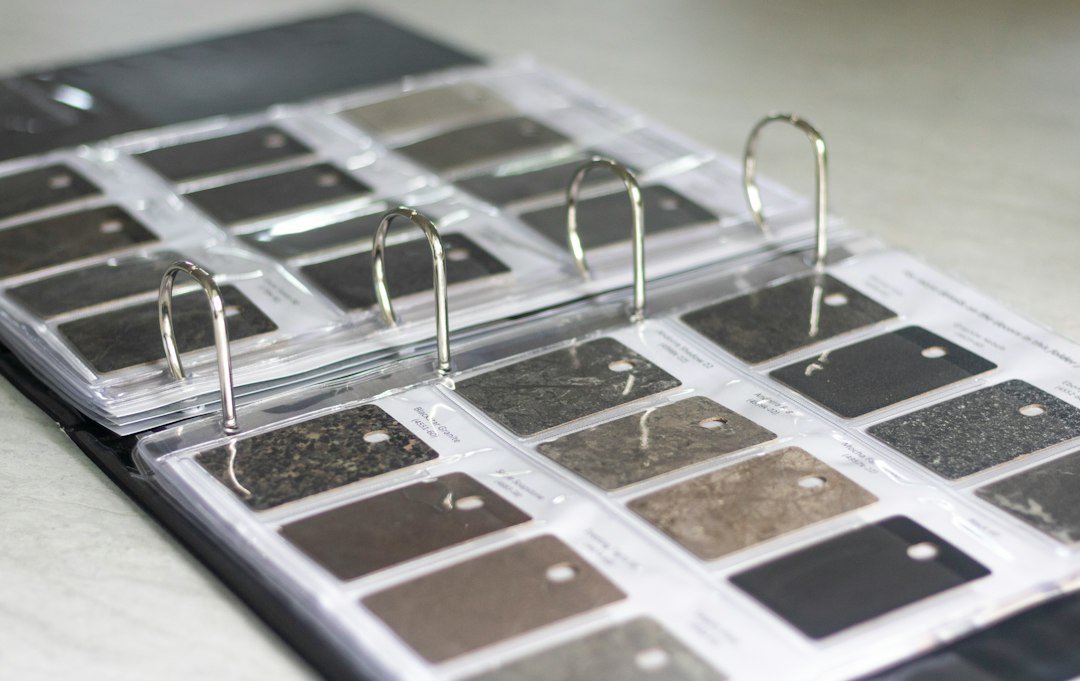
What is the difference between acrylic and laminate cabinet finishes?
An acrylic cabinet finish usually means a decorative acrylic surface or sheet applied to a cabinet front. The term can cover different constructions, so confirm the brand, surface layer, backing and edge finishing. Some acrylic products are designed to create a glass-like gloss; others are matte or textured. Do not assume every product sold as acrylic has the same scratch resistance or repair method.
Decorative laminate is a surface sheet bonded to a substrate such as an engineered wood panel. Laminates come in many patterns and textures, from solid colours and woodgrains to matte and gloss finishes. The visual layer is only one part of the cabinet front: the core, adhesive, balancing sheet and edge band influence the finished panel too.
Acrylic vs laminate kitchen cabinets at a glance
| Factor | Acrylic finish | Decorative laminate |
|---|---|---|
| Appearance | Often selected for a smooth, vivid or reflective look, depending on the product. | Available in a wide range of colours, patterns, textures and sheen levels. |
| Cleaning | Follow the specific maker’s cleaner and cloth recommendations. | Follow the laminate maker’s guidance; avoid abrasive pads and powders. |
| Visible edges | Edge matching and finishing are important for a continuous appearance. | Edge banding and corners need to be neat and firmly bonded. |
| Design matching | Useful when a consistent high-gloss or selected matte look is the goal. | Offers many coordinated decors for shutters, panels and other surfaces. |
| Repair planning | Repair options depend on the exact surface system and damage. | Repair options depend on sheet type, bonding and whether the affected panel can be replaced. |
When does an acrylic finish make sense?
Acrylic can be a good fit when the kitchen design calls for a very smooth, crisp finish, particularly on cabinet fronts that are meant to reflect light. The result depends on the product surface, colour, edge treatment and how cleanly the doors are manufactured. Ask to see a full-size sample rather than choosing from a tiny colour chip; a broad glossy front can look different from a small swatch.
Some acrylic systems have a specific care routine. REHAU’s RAUVISIO crystal care guidance, for example, says to use a soft sponge or suitable non-abrasive cleaner and cautions against harsh solvents and abrasive pads. That guidance applies to that product, not to every acrylic surface. Read the instructions for the exact finish you are buying. See REHAU’s acrylic surface care guidance.
Finger marks and reflected light are also practical considerations. Dark, highly reflective finishes can make smudges or small imperfections more noticeable in some lighting. If that would bother you, compare a matte or textured sample and ask about its cleaning method. Do not rely on a general claim such as “scratch-proof”; request the product’s test and warranty information.
When is laminate a better choice?
Laminate suits buyers who want a broad choice of colours and surface effects. A woodgrain, stone-inspired print or subdued matte finish can provide a different feel from a uniform high-gloss front. This variety can make it easier to coordinate kitchen shutters with wall finishes, floors and furniture.
Laminate quality and specifications vary. Check the recommended application, thickness, backing, adhesive, core panel and edge band as one assembly. Our laminate sheet thickness guide explains why a sheet’s thickness should be matched to its use and substrate instead of chosen by appearance alone.
Cleaning instructions still matter. Greenlam’s care manual advises against abrasive pads, scouring powders and cleaners that may dull or scratch its HPL surface. That is maker-specific guidance; use the instructions supplied for your chosen product. Heat exposure near a hob should also be managed with the kitchen designer’s clearances and any appliance instructions, rather than assuming a decorative finish can tolerate direct heat.
How to compare the two finishes in a real kitchen
1. Compare samples in the room’s actual lighting
Take samples home and look at them in daylight and under the kitchen’s planned evening lights. Glossy surfaces reflect windows and light fittings; a textured or matte sheet absorbs more of the visual attention. Check the finish next to the countertop and wall colour, not in isolation.
2. Look closely at the edges and corners
Inspect a finished door edge, corner and handle cut-out. Ask whether the front surface wraps around the edge or uses a separate edge band, how the edges are sealed and whether the finish can be matched if a door is replaced later. Poor edge work can spoil an otherwise attractive sheet.
3. Ask what lies below the finish
Request the panel specification: the core material, thickness, face finish, backing, adhesive and edge treatment. The surface by itself does not tell you whether the door will remain flat or how it will respond to moisture. Ask the cabinet maker how the panel is balanced and what installation conditions the manufacturer requires.
4. Test the cleaning routine before committing
Ask for a written care guide. If possible, clean a sample using only the recommended method. Check whether everyday marks wipe away and whether the selected cloth or cleaner leaves a haze. Never use a solvent, scouring pad or sharp scraper unless the maker specifically approves it.
5. Plan hardware and replacement access
Cabinet doors and drawers are used constantly, so finish choice should be coordinated with hinges, channels and handles. Confirm handle position before manufacturing; drilling through a decorative face after the doors are finished can create avoidable damage. Our cabinet handle guide covers grip, size and placement, and the telescopic channel guide explains drawer movement and fit.
Common selection mistakes to avoid
- Comparing a premium acrylic panel with an unspecified laminate sheet as if the finish name alone determines quality.
- Choosing a colour from a phone screen without checking a physical sample in the kitchen.
- Ignoring edge finishing, the substrate, balancing sheet or how moisture near a sink will be controlled.
- Assuming a glossy surface is automatically more durable or that a matte surface never shows marks.
- Using strong cleaners because they worked on another brand’s cabinet surface.
- Planning the handles only after cabinet fronts are made, leading to awkward placement or new drilling.
Which finish should you choose?
Choose acrylic if its specific surface, appearance and care routine match your priorities and you have confirmed how the panel is built and edged. Choose laminate if you want more choice across patterns and textures and have a product whose specification, edge detail and cleaning requirements suit the kitchen.
There is no universal winner. Compare the exact samples and panel specifications, then ask the cabinet maker how damaged fronts can be serviced or replaced. A well-made door with a finish that suits your daily habits is a better decision than selecting a material name on its own.
Frequently asked questions
Is acrylic better than laminate for kitchen cabinets?
Not in every kitchen. Acrylic may suit a smooth reflective design, while laminate offers many colours and textures. Compare exact products, panel construction and care requirements.
Which finish is easier to clean?
It depends on the specific product and its sheen. Follow the manufacturer’s instructions and avoid abrasive cleaners unless they are explicitly approved.
Does acrylic scratch more easily than laminate?
Scratch performance varies by product and surface treatment. Ask for the exact technical information and warranty terms rather than generalizing across all acrylic or laminate finishes.
Can I use laminate near a kitchen sink?
Cabinet fronts can be used near a sink when the panel and edges are specified for the application and water is not allowed to sit on them. Fix leaks promptly and follow the maker’s details for sealing.
Can a damaged cabinet front be repaired?
Repair depends on the type and depth of damage, the finish system and whether a matching panel is available. Ask the cabinet maker about replacement panels before ordering.