
Two taps can look almost identical on a showroom shelf yet use different materials beneath the finish. That difference matters for durability, maintenance, and how confidently you can compare products. The first step is to separate the faucet’s base material from its visible finish, cartridge, and fittings.
Quick answer: Brass and stainless steel can both be suitable faucet materials, but the label alone does not tell you which tap is better. Compare the exact model’s body construction, grade or specification, finish, cartridge, warranty terms, and compatibility with your water and installation. Choose by documented product details and service needs, not by colour or a generic claim that one metal always lasts longer.
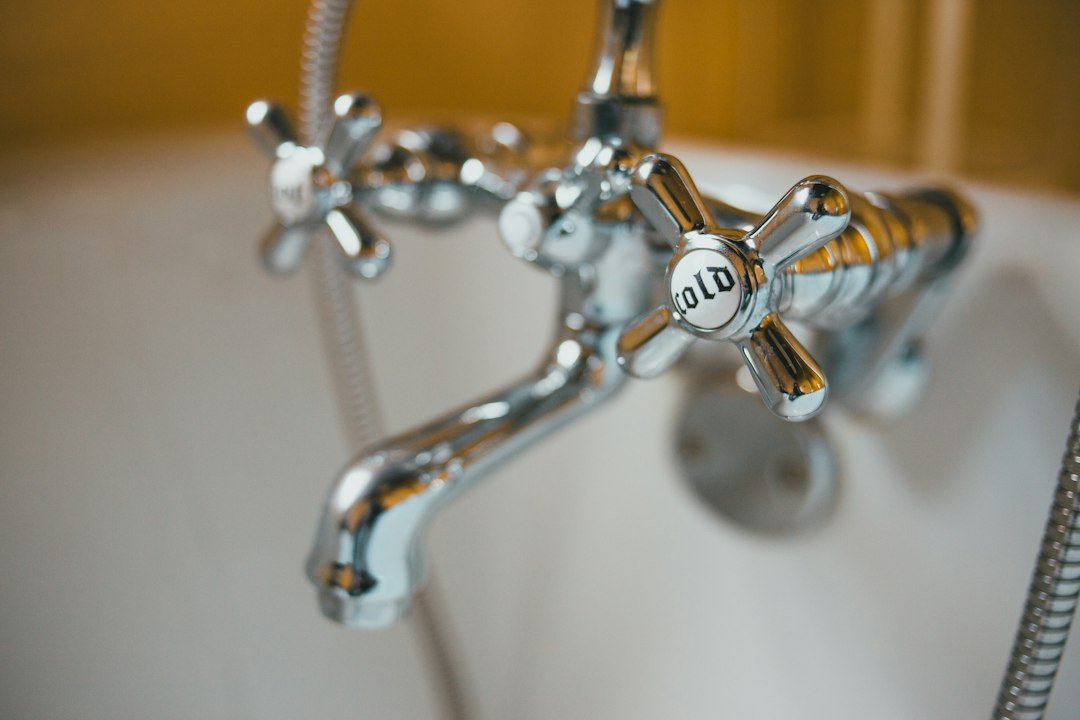
What does “brass faucet” or “stainless steel faucet” mean?
A faucet is an assembly, not one solid piece of metal. It can include the body, spout, handle, cartridge, aerator, seals, screws, mounting hardware, and flexible connectors. A model advertised as brass may have a brass body with a plated or coated exterior; another may combine materials in different components. A stainless steel faucet may use stainless for some or all water-contact parts, depending on the product.
Likewise, a gold, black, or chrome appearance describes the outside finish, not necessarily the underlying body. A coloured coating does not prove that the tap is brass or steel. Ask for the product specification sheet and check what material is used in the body and water-contact components. If the information is not provided, treat broad promotional descriptions as incomplete.
How do brass and stainless steel compare?
| What to compare | Brass construction | Stainless steel construction |
|---|---|---|
| What the name tells you | May describe the body or selected components; verify the exact model. | May describe the body or selected components; verify grade and construction. |
| Visible appearance | Can be plated or coated in many finishes. | May have a brushed or polished appearance, or another applied finish. |
| Maintenance | Depends on finish and maker’s cleaning instructions. | Depends on finish and maker’s cleaning instructions. |
| Best selection test | Review material details, cartridge, installation, and support. | Review material details, cartridge, installation, and support. |
Metal category alone does not guarantee performance. Product quality depends on composition, machining, design, water conditions, installation, and care. Jaquar lists brass and stainless steel among durable faucet materials, but the exact model’s specification remains decisive.
When might a brass faucet be the right choice?
Brass is a common material for faucet bodies. It can be machined into the shapes and connections needed for different tap designs and can carry a wide range of exterior finishes. Many buyers consider brass models when they want a traditional polished look, a familiar construction type, or a design that coordinates with other bathroom fittings.
Do not infer the internal composition from a brass colour. A gold-coloured tap may be a surface finish over another base material, and a brass body may be chrome-plated. Ask whether the water passage and body are brass, which finish is applied, and what care the finish requires. If water-contact material composition or regulatory compliance matters for your situation, request the manufacturer’s documentation rather than relying on a sales description.
Brass can also tarnish or be affected by cleaners depending on its finish and treatment. Follow the product’s maintenance instructions. Abrasive pads or aggressive chemicals can damage a plated coating.
When might a stainless steel faucet be the right choice?
Stainless steel may appeal when a buyer wants a metal body with a brushed appearance. But “stainless steel” without a grade, construction detail, or component list can be vague. Ask what parts are stainless steel and whether the model uses other materials or coatings.
Stainless steel is not maintenance-free. Water spots, mineral deposits, and cleaning residues can still show. The grain and finish influence how marks appear, and a harsh scrubber can scratch a surface. Use only the cleaning method approved by the faucet maker; Jaquar recommends soft cloths and avoiding harsh chemicals in its faucet-care guidance.
Which details should you compare before buying?
1. Confirm the installation type and dimensions
Check whether the tap is deck-mounted or wall-mounted, how many holes it needs, the spout reach, and the clearance above the basin or sink. A product can be well made and still be wrong for the existing plumbing. Compare the installation drawing to your basin, countertop, and pipe positions before purchase. For a wall mixer, confirm the rough-in depth and spacing before tile work is complete.
2. Check the cartridge and serviceability
The cartridge controls flow and temperature. Ask what type is fitted, whether replacement parts are available, and how service is handled. Cartridge construction and compatibility can matter more to future repair than a broad body-material label. Also check whether the aerator can be removed for cleaning and what tools the maker recommends.
3. Look at finish, water, and cleaning requirements
Hard water can leave mineral spots or deposits, while certain cleaners can damage coatings. Consider how often you are willing to wipe the tap and whether the maker recommends a particular cleaner. Do not use acid, bleach, or an abrasive pad unless the manufacturer explicitly allows it. For matte finishes, confirm whether ordinary soap or a branded cleaner is approved.
4. Compare documentation and support
Read the product specification, installation guide, warranty exclusions, and service terms. Confirm what is included in the box and whether connectors or mounting parts match your installation. A clear specification sheet is more useful than a generic promise about long life. Save the invoice, model number, and care sheet in case you need a replacement cartridge later.
Our bathroom tap selection guide explains fit, mounting, and use factors. For a separate issue such as a dripping tap, see common causes of a bathroom tap drip. If you are comparing basin controls, our single-lever versus two-handle mixer guide covers operation and layout.
How do you care for either type?
Wipe the tap with a soft cloth after use if water spots are a concern. For routine cleaning, use mild soap and water only if the maker allows it, rinse any residue, and dry with a clean cloth. Avoid scouring pads and strong cleaners because the exterior finish may be more vulnerable than the underlying metal.
Clean the aerator only as directed and close the water supply before disassembling a component. If a handle becomes stiff, the flow changes, or a leak develops, consult the installation and service instructions or a plumber. Repeatedly tightening parts without identifying the cause can damage threads or seals.
Jaquar’s faucet cleaning guide gives finish-specific advice, including gentle cleaning and drying. Follow the care sheet for your actual model because special coatings can require different treatment. A product’s own written instructions take priority over generic cleaning tips.
Common buying mistakes
- Choosing by finish colour and assuming it identifies the body material.
- Comparing a brass model with a steel model without checking the parts each description covers.
- Ignoring the cartridge, mounting dimensions, water pressure, and replacement-part availability.
- Assuming stainless steel never spots or brass never corrodes.
- Using an abrasive or chemical cleaner that the faucet maker does not approve.
- Believing a generic durability claim without reading the product specification and warranty.
Take a photo of the plumbing and measure the installation before selecting a replacement. If you cannot identify the connection or shutoff valves, have a plumber confirm compatibility. If renovating, select the tap before countertop drilling or wall rough-in so the installer can verify the hole pattern and dimensions.
Frequently asked questions
Are brass faucets better than stainless steel faucets?
Not in every case. Both can be suitable. Compare the model’s documented materials, finish, cartridge, installation fit, warranty, and service support instead of relying on the metal name alone.
Does a gold or chrome finish mean the faucet is brass?
No. Finish describes the visible surface. It does not confirm the underlying body material. Check the manufacturer’s product specification.
Does stainless steel faucet mean every part is stainless steel?
Not necessarily. An assembly may use multiple materials. Ask which components are stainless and request the exact model’s technical details.
Which faucet is easier to clean?
Cleaning depends more on the finish and its care instructions than on the body material. Use a soft cloth and approved cleaner; avoid abrasive products unless the manufacturer permits them.
What matters most in a hard-water area?
Check the maker’s advice for water conditions, aerator cleaning, and finish care. No faucet is immune to mineral deposits, and routine gentle cleaning may be needed.
In summary: Brass and stainless steel are both used in faucets, but names alone do not settle performance. Verify the exact construction, finish, cartridge, dimensions, care instructions, and service support. When two taps meet those needs, choose the one whose documentation and maintenance fit your household.
Manufacturer references: Jaquar faucet overview; Jaquar faucet cleaning guide. Confirm details against the exact model data sheet.